

How to Create a Personal Brand: A Step-by-Step Guide to Stand Out and Build Authority
October 4, 2024Brand Identity: What It Is and How To Build One
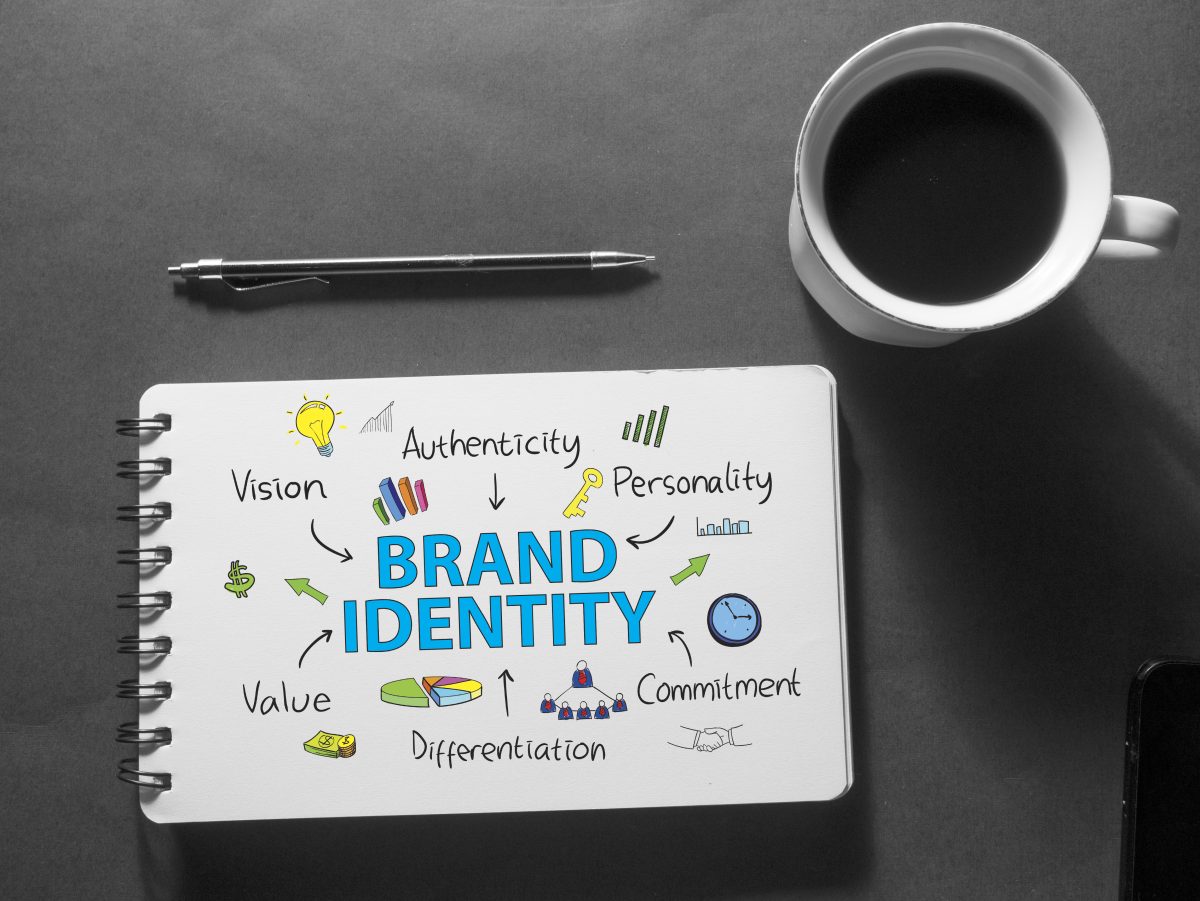
A strong brand identity is at the core of any successful business or personal brand. It’s what distinguishes your brand in a crowded marketplace, builds trust with your audience, and conveys your values and mission. Whether you’re an entrepreneur starting a new business or an established company looking to revitalize your brand, building a cohesive and memorable brand identity is essential for long-term success.
In this article, we will explore what brand identity is, why it’s important, and how to build one that resonates with your target audience.
What Is Brand Identity?
Brand identity refers to the visible elements of a brand—such as its logo, color scheme, typography, tone of voice, and imagery—that help consumers identify and differentiate it from competitors. It encompasses everything your brand says, how it communicates with its audience, and the emotions it evokes.
Think of brand identity as the personality of your business. Just like individuals have unique traits, characteristics, and appearances that make them recognizable, a brand’s identity does the same. It represents the essence of your company and shapes how your customers perceive you.
A well-crafted brand identity consists of:
- Visual elements: Logo, colors, typography, imagery, and graphic elements.
- Verbal elements: Brand voice, tone, and messaging.
- Core values and mission: The fundamental principles that drive your business.
Why Is Brand Identity Important?
A cohesive brand identity is crucial for several reasons:
- Differentiation: A strong brand identity sets your business apart from competitors. It helps customers recognize and remember your brand, making you stand out in a crowded market.
- Trust and credibility: A professional, consistent brand identity builds trust with your audience. Consumers are more likely to do business with brands that appear credible and aligned with their values.
- Emotional connection: A well-designed brand identity can evoke emotions, making your brand more relatable and creating a deeper connection with your audience. This emotional connection fosters loyalty and long-term customer relationships.
- Recognition and recall: The more consistent your brand identity is across all channels, the easier it is for customers to recognize and recall your brand when making purchasing decisions.
- Brand loyalty: A strong identity builds brand loyalty, as customers are more likely to return to brands they trust and resonate with on a personal level.
Key Elements of Brand Identity
Before diving into the steps to build a brand identity, let’s take a closer look at its key components:
1. Logo
Your logo is the visual symbol of your brand. It’s often the first thing people see and one of the most critical elements in making your brand memorable. A good logo should be:
- Simple: Easy to recognize and versatile across different platforms.
- Relevant: It should reflect your brand’s personality and values.
- Timeless: Aim for a design that will stand the test of time, not just follow trends.
- Scalable: The logo should look great at any size, whether on a business card or a billboard.
2. Color Palette
Colors play a significant role in brand identity. Each color evokes different emotions and associations, so choosing the right color palette can help convey your brand’s personality. For example:
- Blue: Often associated with trust, professionalism, and calmness.
- Red: Evokes excitement, passion, and urgency.
- Green: Symbolizes nature, growth, and health.
Your brand’s color palette should consist of primary and secondary colors that can be used consistently across all branding materials, from your website to social media graphics.
3. Typography
Typography refers to the fonts and text styles used in your brand’s communications. Choosing the right typography helps set the tone for your brand, whether it’s formal, playful, modern, or traditional. Your typography should be:
- Readable: Easy to read on different devices and platforms.
- Consistent: The same fonts should be used consistently across all materials.
- Reflective of your brand’s personality: The font style should match your brand’s identity. For example, a modern tech company might use clean, minimalist fonts, while a playful children’s brand could opt for more whimsical or rounded fonts.
4. Imagery
The type of imagery you use in your branding—from photographs to illustrations and graphics—should align with your brand’s overall tone and style. Consistent imagery helps create a unified visual identity and reinforces your brand message. This includes:
- Photography style: Bright and vibrant vs. moody and minimalistic.
- Graphics and illustrations: Use consistent themes and styles to create harmony across platforms.
5. Brand Voice and Tone
Your brand’s voice is how you communicate with your audience, and it’s just as important as visual elements. It’s the personality behind your written and spoken messages. Your brand voice can be:
- Professional: Formal and authoritative for industries like finance or law.
- Casual: Friendly and approachable for brands targeting younger or more laid-back audiences.
- Humorous: Light-hearted and fun, for brands that don’t take themselves too seriously.
Your tone may vary slightly depending on the context (e.g., a social media post vs. an official press release), but your voice should remain consistent to maintain a cohesive brand identity.
6. Brand Values and Mission
The core of your brand identity lies in your values and mission. These define what your brand stands for, the problems you solve, and the impact you aim to have on your customers or society. Defining your brand’s values and mission gives your brand a purpose beyond just making profits and helps build a loyal customer base who aligns with your principles.
How To Build a Strong Brand Identity
Now that we understand the components of brand identity, let’s explore the steps to create a powerful one:
1. Define Your Brand’s Purpose and Positioning
Before you start designing your brand’s visual and verbal identity, it’s essential to understand its purpose and positioning. Ask yourself:
- Why does my brand exist?
- What problem am I solving for my customers?
- What are my brand’s values and mission?
- Who is my target audience?
Defining your brand’s purpose helps guide the entire branding process. Your positioning, or how you want to be perceived in the market, will help you differentiate your brand from competitors.
2. Research Your Target Audience and Competitors
To create a brand identity that resonates, you need to understand your target audience deeply. Conduct market research to learn about their preferences, pain points, and aspirations. Understanding your audience’s desires will help you create a brand identity that connects with them emotionally.
Similarly, analyze your competitors to see what’s working in your industry and identify gaps you can fill. While you should never copy competitors, it’s essential to understand the landscape so you can create a unique identity.
3. Design Your Visual Elements
Once you’ve defined your brand’s purpose and researched your audience, it’s time to develop the visual elements of your brand identity. This includes your logo, color palette, typography, and imagery.
- Logo: Work with a professional designer to create a logo that reflects your brand’s personality and values. The logo should be versatile, memorable, and simple enough to be recognizable at different sizes.
- Color Palette: Choose colors that evoke the right emotions and align with your brand’s tone. Make sure the colors work well together and are easy to use across different mediums.
- Typography: Select fonts that complement your logo and represent your brand’s personality. Ensure they are readable on both digital and printed materials.
- Imagery: Decide on a consistent style for photography, graphics, and other visual elements to maintain harmony across your branding.
4. Develop Your Brand Voice and Messaging
Your brand voice is how you communicate with your audience, and it should be consistent across all touchpoints. Create brand guidelines that define your tone of voice, language style, and key messaging points. This will ensure that anyone creating content for your brand, from social media posts to email marketing, speaks in a unified voice.
Your messaging should clearly convey your brand’s value proposition—what makes your brand unique and why customers should choose you over competitors.
5. Create Brand Guidelines
Brand guidelines are essential for maintaining consistency across all aspects of your brand identity. These guidelines should include:
- Logo usage: How and where to use your logo, including size, spacing, and color variations.
- Color palette: The exact color codes (hex, RGB, CMYK) for your brand’s colors.
- Typography: Fonts and text styles to use across different platforms.
- Tone of voice: Guidelines on how to communicate with your audience.
- Imagery: Specifications for the types of images and graphics that reflect your brand.
Brand guidelines ensure that your identity remains cohesive, even as different people create marketing materials and content for your business.
6. Apply Your Brand Identity Across All Platforms
Once your brand identity is defined, it’s time to apply it consistently across all platforms where your brand interacts with customers. This includes your:
- Website: Your website should reflect your brand identity through its design, content, and user experience.
- Social media: Your profiles, posts, and engagement should be in line with your brand voice and visual identity.
- Marketing materials: Ensure all flyers, business cards, advertisements, and other printed or digital materials align with your brand guidelines.
- Product packaging: If applicable, your packaging should reflect your brand’s visual elements and values.
Consistency is key to building brand recognition and trust, so ensure your brand identity is reflected in every touchpoint your audience interacts with.
7. Evaluate and Evolve Your Brand Identity
Your brand identity should evolve as your business grows and the market changes. Regularly assess how your audience perceives your brand and whether your identity still aligns with your mission and values. If necessary, make adjustments to keep your brand fresh and relevant.
However, be careful not to change too frequently, as consistency is essential for building recognition and loyalty. When making changes, ensure they are strategic and align with your long-term brand goals.
Conclusion
Building a strong brand identity is an essential part of establishing a successful business or personal brand. It involves more than just creating a logo or choosing colors; it’s about crafting a cohesive visual and verbal identity that reflects your values, resonates with your audience, and sets you apart from competitors.
By following the steps outlined above, you can create a brand identity that not only attracts customers but also fosters long-term loyalty and trust. Whether you’re starting a new business or revamping an existing one, investing in a well-defined brand identity is key to standing out in today’s competitive marketplace.