
Why You Need a Logo for Your Brand: The Key to Strong Identity and Recognition
October 4, 2024The Ultimate Guide to Branding: How to Build a Memorable Brand for Long-Term Success

In today’s highly competitive digital landscape, establishing a strong brand identity is not only essential for standing out but also for fostering long-term business growth. Branding goes beyond a logo or a catchy tagline—it’s the emotional and psychological connection your business creates with its audience. If you’re a business owner looking to elevate your brand presence, this guide will provide you with actionable insights to build a memorable brand from the ground up.
What Is Branding, and Why Is It Important?
Branding refers to the process of creating a distinct identity for your business in the minds of your target audience. It involves various elements such as your brand’s logo, color palette, typography, messaging, and overall tone. But more than the visual aspects, branding encapsulates how your customers perceive your business.
A strong brand can help you:
- Stand out in a crowded market: In saturated industries, an effective brand identity is essential for grabbing attention.
- Build trust and loyalty: A consistent and reliable brand fosters trust, which in turn leads to customer loyalty.
- Increase recognition and recall: When people recognize your brand, they are more likely to think of you when they need the services or products you offer.
- Create an emotional connection: Emotional branding can turn casual buyers into raving fans who advocate for your brand.
- Command premium pricing: A well-established brand can justify higher prices, thanks to the perceived value it offers.
The Pillars of Successful Branding
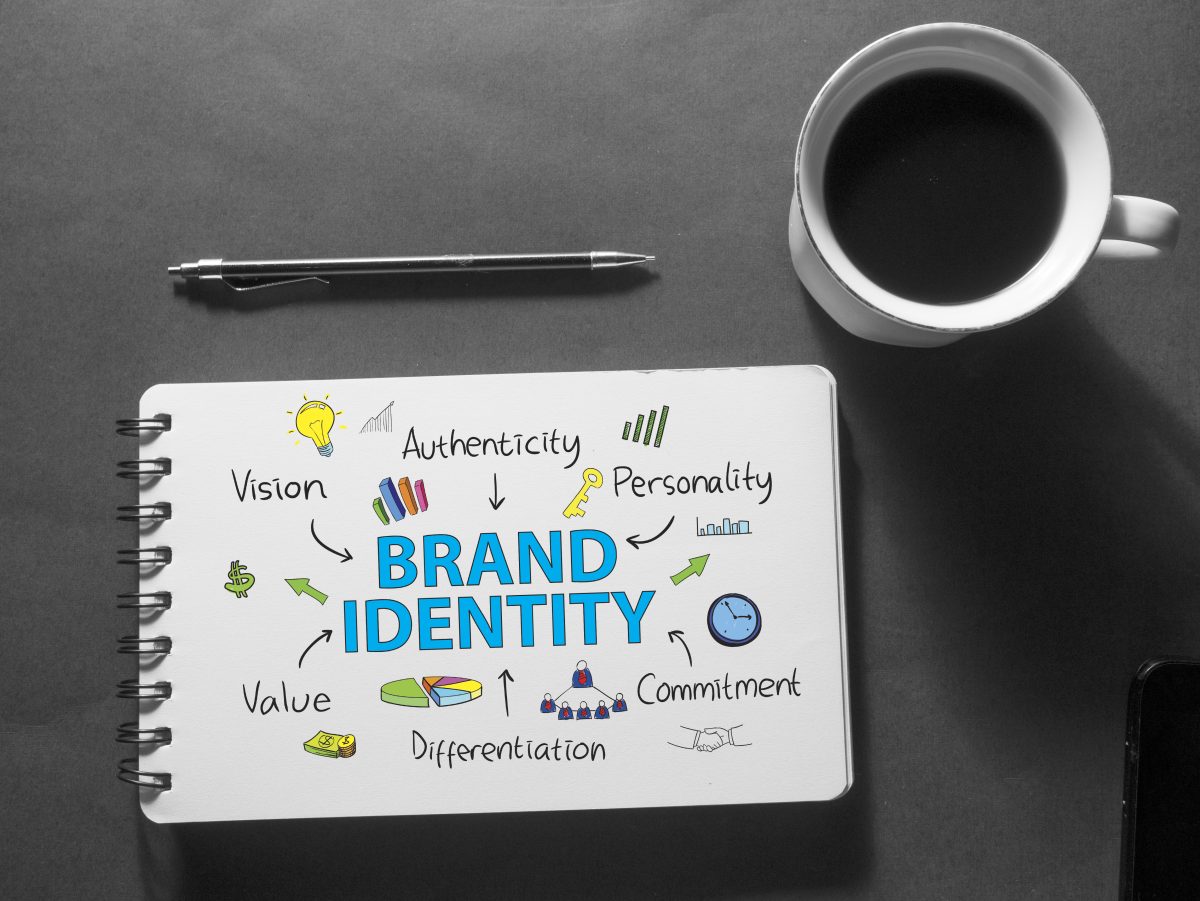
To build a strong brand, it’s important to understand the core components that make up a brand identity. Below are the essential pillars of branding:
1. Brand Purpose and Vision
Your brand’s purpose is the “why” behind your business. Why do you exist beyond making a profit? Understanding this purpose helps define your brand’s long-term vision and objectives. Consumers today gravitate towards brands that align with their values. Clearly articulate your purpose to establish an emotional connection with your audience.
2. Target Audience and Market Research
To create a compelling brand, you need to know who you’re speaking to. Conduct thorough market research to understand the demographics, preferences, pain points, and buying behavior of your target audience. By understanding your customers, you can tailor your branding to resonate with them effectively.
3. Unique Selling Proposition (USP)
What sets your brand apart from competitors? Your Unique Selling Proposition (USP) is what differentiates you in the market. It could be an innovation, quality, service, or even the emotional benefit your brand offers. Having a clear USP helps you carve out a unique space in your industry, making it easier for consumers to choose you over others.
4. Brand Messaging and Tone of Voice
Your brand’s voice and messaging are integral in communicating your values, mission, and products to your audience. Whether you aim to be professional, approachable, or edgy, your tone should remain consistent across all platforms—from your website to social media.
Key questions to ask when defining your brand’s voice:
- Are we formal or informal?
- Should our tone be authoritative or friendly?
- How should we respond to feedback?
5. Visual Identity
Your visual branding is what most people will first encounter. This includes your logo, color schemes, fonts, and overall design elements. These visuals should be aligned with your brand’s core values and resonate with your target audience.
Here are some quick tips for visual branding:
- Consistency: Use the same color schemes and design patterns across all platforms.
- Simplicity: Keep your logo simple and recognizable.
- Color psychology: Use colors that evoke the right emotions—blue for trust, red for energy, green for sustainability, etc.
6. Brand Story
Storytelling plays a powerful role in branding. A well-crafted brand story can turn your business into a narrative that resonates with your customers on a personal level. Whether it’s how you started, your struggles, or your journey, your story can humanize your brand.
How to Build a Brand from Scratch
Now that you understand the key components of branding, let’s dive into actionable steps to build your brand.
1. Define Your Brand Strategy
Your brand strategy is the blueprint for how you communicate your brand to your target audience. It should outline your brand’s mission, values, and long-term goals. You should also identify key platforms and channels where your brand will be most active, whether that’s social media, email marketing, or in-person events.
2. Conduct Competitive Analysis
Look at how your competitors are positioning themselves. What strategies are they using? What’s working for them, and where are they falling short? A competitive analysis can help you identify gaps in the market that you can fill with your own unique branding approach.
3. Create Your Brand Identity
Once you have a clear strategy and competitive analysis, you can begin creating your brand identity. This includes designing your logo, selecting brand colors, and developing a consistent tone for your messaging.
Tools like Adobe Illustrator or Canva can help you design your visual elements, while your messaging can be developed with the help of a professional copywriter to ensure that it resonates with your audience.
4. Launch Your Brand
Launching your brand is about creating awareness. Whether you’re launching through social media, press releases, or paid advertising, the key is to remain consistent in your messaging and visual identity.
Consider creating a launch plan that spans multiple platforms to maximize exposure. You could also collaborate with influencers or industry leaders to give your brand an initial push.
5. Build Brand Awareness
Once your brand is launched, your next step is building awareness and recognition. Consistently engaging with your audience through blog posts, social media updates, and newsletters will keep your brand top of mind.
Some proven strategies to build brand awareness include:
- Content marketing: Write blog posts, create videos, and offer valuable resources to your audience.
- Social media: Engage with your followers through posts, stories, and polls.
- Influencer marketing: Partner with influencers in your industry to expand your reach.
- Paid advertising: Use Google Ads, Facebook Ads, or Instagram Ads to target a broader audience.
6. Maintain Brand Consistency
Branding is not a one-time effort—it’s an ongoing process. Consistency is crucial to maintaining brand integrity. Regularly audit your brand presence across all platforms to ensure that your messaging and visuals remain aligned with your original goals.
Common Branding Mistakes to Avoid
As you work to build a strong brand, it’s important to steer clear of common pitfalls that could dilute your efforts. Here are some mistakes to avoid:
- Lack of consistency: Inconsistent branding confuses your audience and weakens your brand’s impact.
- Ignoring feedback: Customers are your best source of real-world insights. Ignoring feedback can lead to a disconnect between your brand and its audience.
- Following trends blindly: While it’s important to stay relevant, jumping on every trend can make your brand seem inauthentic.
- Failing to evolve: While consistency is crucial, your brand should evolve to stay current and meet changing consumer expectations.
Conclusion
Building a strong brand is essential for long-term business success. From defining your brand’s purpose to maintaining consistency, the process requires careful planning, creativity, and a deep understanding of your audience. By following the steps outlined in this guide, you can create a memorable brand that stands out in today’s competitive market and drives lasting customer loyalty.
Branding is more than just aesthetics—it’s the experience you create for your customers. So invest the time and effort into crafting a brand that not only looks great but also connects on an emotional level.