
Why You Need a Logo for Your Brand: The Key to Strong Identity and Recognition
October 4, 2024
Social Media Marketing: How to Build a Powerful Online Presence
October 4, 2024The Power of Marketing: Strategies to Grow Your Business in the Digital Age
Marketing is the lifeblood of any successful business. It’s the key to building brand awareness, attracting new customers, and fostering long-term relationships. With the rise of digital platforms, the landscape of marketing has evolved dramatically, offering businesses of all sizes new and innovative ways to connect with their audiences. Whether you’re a small startup or a large corporation, understanding and mastering marketing is essential for growth and sustainability.
In this article, we’ll explore the importance of marketing, the key components of a successful marketing strategy, and how businesses can thrive by leveraging both traditional and digital marketing techniques.
What Is Marketing and Why Is It Important?
At its core, marketing is about creating value for your customers and communicating that value in a way that encourages them to engage with your brand. It’s the process of promoting, selling, and distributing a product or service. However, marketing today is about much more than simply driving sales; it’s about building relationships, creating a lasting brand image, and staying relevant in a fast-paced, digital-first world.
Effective marketing can help you:
- Increase brand awareness: Consistent marketing ensures that more people know about your brand.
- Attract new customers: Marketing helps you reach people who may need your products or services but haven’t discovered your brand yet.
- Drive sales and revenue: The more people who know about your business, the more opportunities you have to make sales.
- Foster customer loyalty: Good marketing builds long-term relationships, turning one-time buyers into repeat customers.
- Stay competitive: Consistent marketing helps you maintain relevance in your industry, allowing you to compete with larger or more established businesses.
Key Components of a Successful Marketing Strategy
A well-rounded marketing strategy is essential for business growth. Below are the key components that make up an effective marketing plan:
1. Market Research and Target Audience
Before you can craft a successful marketing strategy, you need to understand your target audience. Market research is the process of gathering information about your ideal customers, including their demographics, preferences, pain points, and buying behavior.
Understanding your audience allows you to:
- Create messaging that resonates with them.
- Choose the right marketing channels.
- Offer products or services that meet their needs.
Once you know who you’re marketing to, you can tailor your efforts to engage with them more effectively.
2. Brand Positioning and Messaging
Brand positioning is how you differentiate your brand in the minds of your customers. What makes you unique? What value do you provide that your competitors don’t? Your brand positioning should be clear and consistent across all marketing channels.
Once your positioning is established, your messaging needs to reflect it. Your messaging should tell your customers:
- Who you are: Your brand’s story, mission, and values.
- What you offer: The unique benefits of your products or services.
- Why they should care: How your brand will improve their lives or solve their problems.
3. Digital Marketing Strategy
In today’s world, digital marketing is essential. It’s the most direct and cost-effective way to reach a broad audience. Digital marketing encompasses a range of tactics, including:
- Search Engine Optimization (SEO): Optimizing your website and content for search engines like Google so potential customers can find you easily.
- Content Marketing: Creating valuable, relevant content (like blogs, videos, and social media posts) that engages your audience and builds trust.
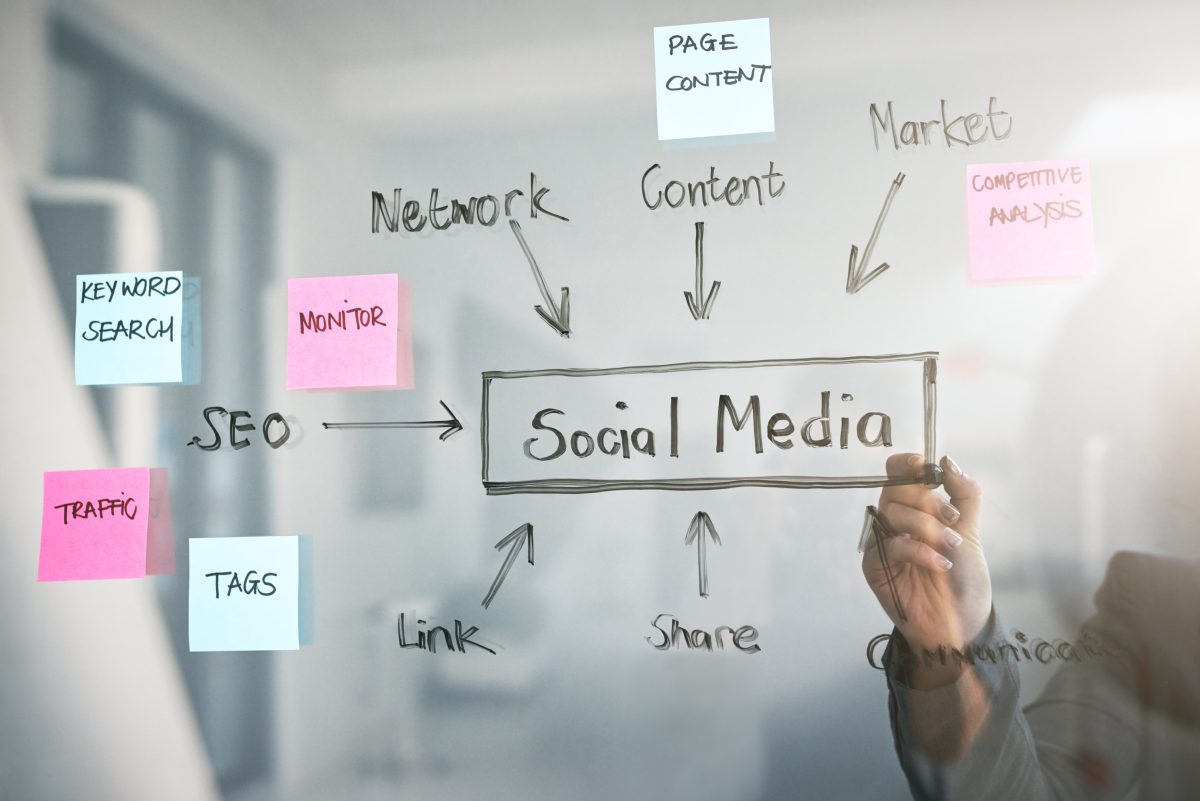
- Social Media Marketing: Using platforms like Facebook, Instagram, LinkedIn, and Twitter to engage with your audience and promote your brand.
- Email Marketing: Sending newsletters, promotions, and personalized messages to nurture customer relationships.
- Pay-Per-Click (PPC) Advertising: Paid search campaigns on platforms like Google Ads that drive traffic to your website.
Each of these tactics serves a different purpose but works together to amplify your brand’s visibility online.
4. Content Marketing
Content is king when it comes to modern marketing. Creating high-quality, valuable content positions your brand as an authority in your industry and helps to build trust with your audience. Whether it’s blog posts, how-to guides, videos, or infographics, your content should provide useful information that educates, entertains, or solves a problem for your audience.
The key to successful content marketing is consistency. Posting regularly on your blog, social media channels, and email newsletters keeps your brand top of mind and ensures that you’re providing ongoing value to your audience.
5. Social Media Marketing
Social media platforms offer businesses the chance to engage directly with their audience in real time. Whether you’re answering customer questions, sharing behind-the-scenes looks at your business, or promoting a new product, social media allows you to build a community around your brand.
The most successful social media strategies focus on:
- Engagement: It’s not enough to post; you need to interact with your followers through comments, likes, and shares.
- Visual content: Eye-catching images, videos, and graphics perform better than text-only posts.
- Platform-specific strategies: Every platform is different. What works on Instagram may not work on LinkedIn. Tailor your approach to each platform’s unique audience.
6. Email Marketing
Despite the rise of social media, email marketing remains one of the most effective digital marketing tools. It’s direct, personal, and has a high return on investment (ROI). Through email, you can nurture relationships with both new and existing customers by sending targeted promotions, product updates, and valuable content.
Some email marketing tips include:
- Personalize your messages by using the recipient’s name or tailoring content to their interests.
- Segment your audience to send more relevant emails to different customer groups.
- Keep your emails short and to the point, with a clear call to action.
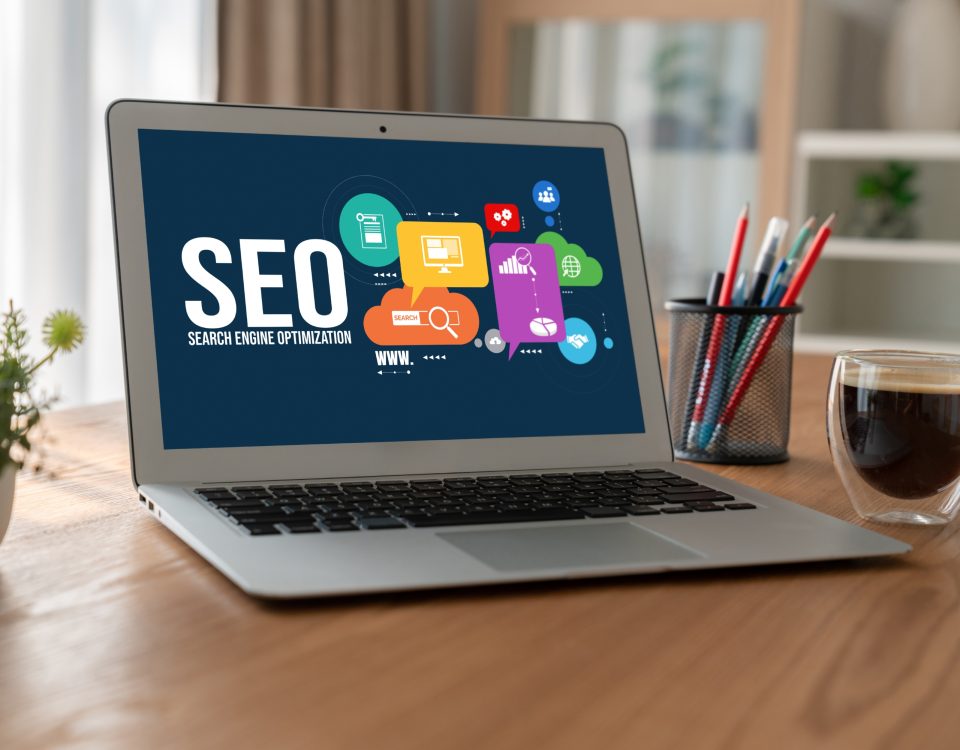
7. Search Engine Optimization (SEO)
SEO is the practice of optimizing your website and online content to rank higher in search engine results pages (SERPs). Higher visibility on platforms like Google translates to more traffic to your website and, ultimately, more leads and conversions.
There are two main components of SEO:
- On-page SEO: This involves optimizing individual pages on your website, including using the right keywords, ensuring fast load times, and creating high-quality content.
- Off-page SEO: This refers to actions taken outside your website to boost its ranking, such as building backlinks from reputable sites.
SEO takes time, but the results are worth it. A well-optimized website can attract organic traffic for years.
8. Paid Advertising (PPC)
Paid advertising can be an effective way to drive traffic and leads quickly. Unlike organic marketing methods like SEO or content marketing, PPC (Pay-Per-Click) advertising involves paying for every click on your ad. Platforms like Google Ads, Facebook Ads, and LinkedIn Ads allow you to target specific audiences based on factors like demographics, interests, and search behavior.
The key to successful paid advertising is choosing the right platform and crafting compelling ads that grab attention and encourage users to take action. Monitor your campaigns closely to ensure you’re getting the best return on investment (ROI).
Traditional vs. Digital Marketing: Finding the Right Balance
While digital marketing is indispensable in today’s world, traditional marketing techniques still hold value, especially for certain industries and target audiences. Traditional marketing includes methods like:
- Print advertising (magazines, newspapers)
- TV and radio ads
- Billboards and signage
- Direct mail (brochures, catalogs)
- Event sponsorships
The key is to find the right balance between digital and traditional marketing strategies. For example, a local business might use digital marketing to attract online leads while also investing in print ads to target their local community.
Measuring Marketing Success
No marketing strategy is complete without proper measurement. By analyzing your marketing efforts, you can identify what’s working and what’s not, allowing you to optimize your approach over time.
Key performance indicators (KPIs) to track include:
- Website traffic: Are your marketing efforts driving visitors to your website?
- Conversion rate: How many visitors are turning into leads or customers?
- Engagement rate: How many people are interacting with your social media posts or email campaigns?
- Return on investment (ROI): Are you making more money than you’re spending on marketing?
Tools like Google Analytics, social media insights, and email marketing platforms can provide valuable data to help you refine your strategy.
Conclusion
Marketing is an essential component of business growth and success. Whether through digital channels or traditional methods, effective marketing strategies help you build brand awareness, attract new customers, and increase sales. By understanding your audience, developing a strong marketing plan, and consistently measuring results, you can create a marketing approach that not only reaches your target market but also drives long-term business growth.
The world of marketing is always evolving, and staying ahead of the curve is key to maintaining your competitive edge. Invest in the right strategies, leverage digital platforms, and focus on building meaningful relationships with your audience to set your brand up for success.